

Cutting Costs (and Corners) Through Value Engineering
The Problem
A general contractor (GC) was hired by the property owner to demolish a two-story commercial building, and then construct a 176-unit apartment complex in its place. The project's original cost estimate was $66 million. However, the property owner's available financing capped at $55 million. To bridge this $11 million gap, the owner engaged in extensive "value engineering," ultimately signing the contract for the reduced amount of $55 million.
Despite the initial cost reduction, the removed scope was slowly reintroduced throughout construction. This eventually led to nearly $19 million in change orders. Inevitably, the project stalled due to payment disputes: The property owner refused to pay for the change orders, asserting they exceeded the original budget, and the GC halted work, demanding payment for their services.
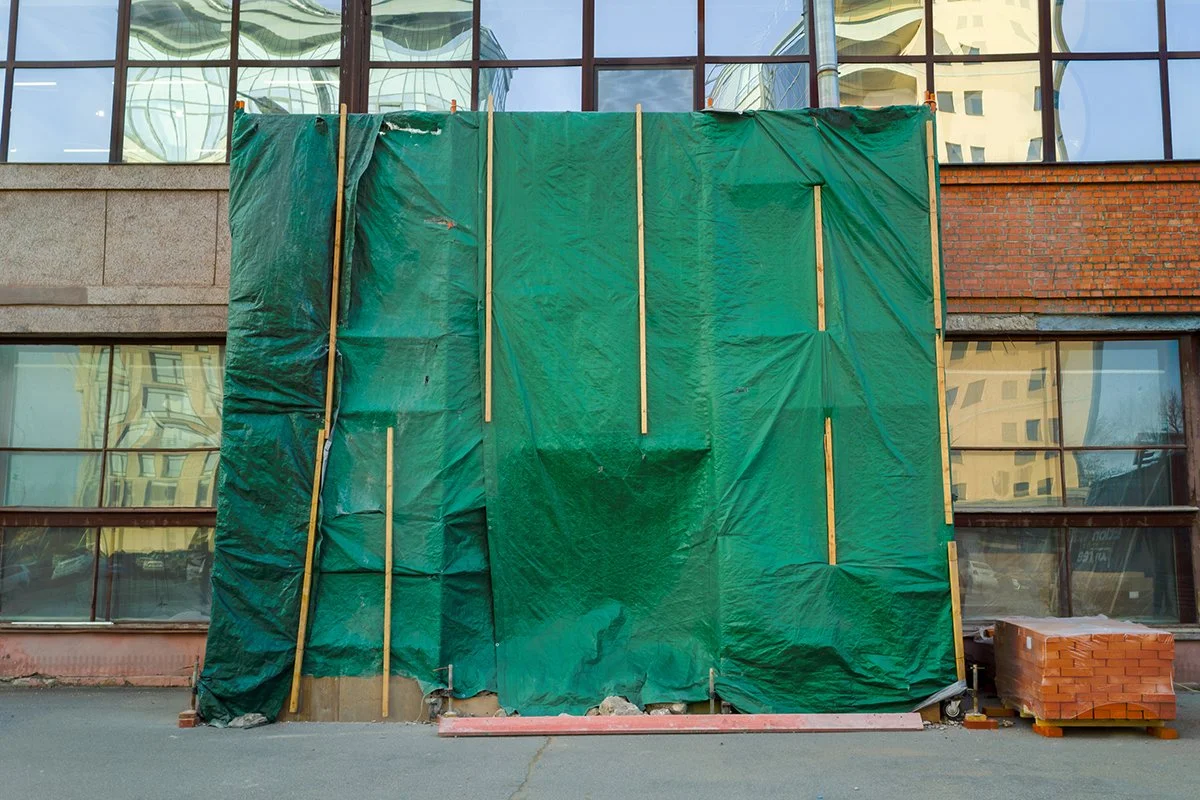
The incomplete apartment complex sat exposed for over a year, leading the property owner to claim over $20 million in damages from the GC due to deterioration resulting from their delays.
The Solution
Pete Fowler Construction Consultants was hired by the GC to document the property's current condition, analyze change orders, review plans for code and structural necessity, and estimate the total remaining cost to complete the project. Our analysis found that the construction delays and increased costs were reasonable given several factors:
The value engineering done by the property owner cut costs by removing elements of the build that were structurally necessary or required to be code compliant.
The delays were in no small part due to the many change orders and client meetings requested by the owner. These repeated design alterations extended the project throughout the construction lifecycle.
The ongoing COVID-19 pandemic caused valid cost increases. Despite the owner's frustration with equipment 'just sitting' on property, pandemic-related safety regulations and resulting supply chain issues were responsible for significant project delays and sharp increases in labor and material costs.
To estimate the total remaining cost, our team used 3D-imaging technology to document the current condition. A detailed analysis of inspection findings and payment applications revealed the remaining cost to complete the project was roughly $32 million. (The figure included nearly a $2 million cost increase due to the COVID-19 pandemic's impact on 2023 repair estimates.)
Our team distilled hundreds of thousands of pages of documents into two meaningful spreadsheets that organized the different causes of delays for the client. One sheet sorted the change orders by validity, specifically identifying those items that were structurally necessary or code compliant yet removed via the owner's value engineering. The second sheet estimated the costs to complete the project given the current condition. Through several meetings and revisions based on client feedback, we refined the spreadsheets into a user-friendly tool that successfully communicated key details in mediation. Thanks to our findings, the dispute settled favorably for our client.