;

General Conditions to a Prime Construction Contract

General-Conditions-to-a-Prime-Construction-Contract.jpg

From PFCS's Training Construction Document Literacy:

"General Conditions to the Contract describe the general guidelines for administration of the Prime Contract. The document includes information like how to terminate a contract under various circumstances, obligations of the parties to a construction contract, and important definitions. It is intended to guide the Owner and Contractor through all agreed upon aspects of general contract administration. By reading an industry standard document like AIA 201 you can learn a tremendous amount about how construction projects are supposed to work."


If you deal with construction regularly, I highly recommend that you print out one or more of the documents below (or upload to your iPad), put it on the nightstand, and let it bore you to sleep a few nights in a row. It will solve insomnia and enlighten you significantly. Then, any time there is a problem with a construction project you are working on, just remember the old favorite acronym: RTFC. Read the f-ing contract! Since you will have read these General Conditions, you will know generally what should be in the contract and how the clauses work together. This will allow you to make smart decisions in applying specific contract language to specific situations.


Pete Fowler Presents Construction Claims Management at ACIG's Fall Safety/Claims Meeting in San Antonio, TX 9/12-13/2012

After having been introduced to PFCS through the Construction Defect Webinar Series, ACIG invited Pete Fowler to present our Construction Claims Management program at their Fall Safety/Claims Meeting in San Antonio, TX. ACIG sponsors numerous opportunities for its members to stay abreast of all the construction and insurance industry changes. These meetings and workshops offer great forums for the exchange of information as well as ample opportunities to listen to quality speakers from both its member companies and outside industry experts; leading construction and insurance professionals are always included as session speakers. ACIG’s workshops are a great combination of fascinating topics, fabulous locations, and quality speakers that provide an interactive atmosphere for discussions, enabling attendees to engage in meaningful conversations and dialogue regarding the pressing issues that confront risk, safety and claims managers. Every Spring and Fall, safety, claims and risk management professionals from all over the country are invited to the ACIG Fall Safety/Claims Meeting to network and learn about issues affecting their organizations.

mike-tyson1.jpg

The American Contractors Insurance Group (ACIG) writes insurance policies and provides related services to the construction industry.  The policies cover workers compensation, general liability, automobile liability and subcontractor/supplier default exposures.  The services include underwriting, supervision of claims, policy filings and issuance, loss and quality control, engineering services and brokerage placements. The ACIG mission is: “To save lives, prevent injuries and reduce the overall cost of risk and insurance for our members by (1) effectively reducing losses, (2) providing a stable market with quality services, (3) utilizing our group purchasing power and (4) creating equity.”


Dave & Pete's Excellent Adventure! - CDLA 2012 Annual Conference

On July 27, 2012 David McMahon and Pete Fowler embarked on fun-filled road trip to beautiful Crested Butte, CO to attend the Colorado Defense Lawyers Association's (CDLA) 35th Annual Conference. CDLA is a statewide organization that is 700 members strong, dedicated to the defense of civil actions, defending the interests of business and individuals in civil litigation, and the promotion of fairness and integrity in the civil justice system.

Here are some highlights from Dave & Pete's Excellent Adventure:

IMG_5573-Medium3.jpg

Pete and Dave leaving the Boulder office --- Crested Butte or bust!

IMG_5582-Medium.jpg

Our first stop on our excellent adventure was the Coney Island Boardwalk in Bailey, CO.

IMG_55791.jpg

We indulged ourselves in some tasty, heavily loaded Coney Island style hot dogs!

2911-Medium.jpg

Our booth at CDLA, where we distributed our finest Pete Fowler Reserve Wines.

IMG_55931-Medium.jpg

Conference attendees testing out our raffle item, an awesome RYOBI 18V One+ Drill Set!

IMG_56151.jpg

Dave and Pete waiting to ride the lift to the top of Mt. Crested Butte.

IMG_56201-Medium.jpg

Dave and Pete at the summit of Mt. Crested Butte.

IMG_5638-Medium1.jpg

On our way back down from the summit: the beautiful city of Mt. Crested Butte and the fantastic CDLA Friday Night Bash with live band!

IMG_56541-Medium.jpg

On Saturday we took in the sights. Here we are in front of Crested Butte's Old City Hall and Montanya Distillers. Some other great bars were passed through included Kochevar's, Eldo, and The Dogwood Cocktail Cabin, definitely worth checking out if you ever find yourself in lovely Crested Butte.

IMG_5661-Medium.jpg

Dave and Pete at Teocalli Tamale, some of the best Mexican food you can find this far North!

IMG_56631-Medium.jpg

We found friends old and new while in Crested Butte! Can't wait to see you all again soon!!


Continuing Education

Continuing-Education.jpg

From the day of our founding, PFCS has been dedicated to training & education. Years ago, we realized that many of our clients were interested in receiving a summary of the same training topics we were creating for our own internal use. Eventually we registered to provide continuing education credits for various professional organizations that our clients belonged to. Today, many of our courses are registered for continuing education credits with the following organizations:

  1. The State Bar of California: PFCS is an approved provider. All courses we offer are available for credit.

  2. California Department of Insurance: PFCS is an approved provider. Each program requires individual approval 30 days in advance. Application fee is $28.00 per course.

  3. Nevada Board of Continuing Education: Each program is applied for online with no application fee. Apply 30 days ahead to be safe.

  4. Oregon State Bar: Approval is applied for in advance, but can be approved up to 30 days after each webinar. Application fee is $40.00 per course.

  5. Community Associations Institute (CAI through CAMICB): PFCS is currently seeking approval for our Property Analysis Series.

  6. Paralegals are provided a Certificate of Attendance which they can submit to either:

    1. National Federation Paralegal Association (NFPA) website www.paralegals.org

    2. National Association of Legal Assistants (NALA) website www.nala.org

  7. Colorado Supreme Court: Needs to be reviewed and updated.

For more information, contact us at marketing@petefowler.com.


OWCAM Expo

On January 20, 2012, we had a great time participating in the 2012 OWCAM Expo Annual Trade Show in Vancouver, WA. In the spirit of this year’s "Cruising in Paradise" theme (remember this is January in the Pacific Northwest!) Pete Fowler and Adrian Bullmore dressed the part. The Expo is an annual venue for community managers and vendors to network amongst peers and to participate in educational sessions.

We spent the day catching up with old friends, making new friends and raffled off a fabulous bottle of Gaston Chiquet Traditional Champagne at the end of the day.

The Oregon Washington Community Association Managers, (OWCAM) was founded in 2002 to educate and serve Community Association Managers and service vendors in Oregon and Washington.


CAI's Essentials Workshop

On February 4, 2012, the Oregon Chapter of the Community Association Institute presented a one day Workshop in Portland, Oregon. The "Essentials" program is a comprehensive course about the history, organization and financial structure of community associations, including problem solving techniques to help run your community better. Pete Fowler spoke on property maintenance

SB 800 Introduction and Summary: CA Builders Right To Repair Law

SB 800 Introduction and Summary- CA Builders Right To Repair Law.jpg

SB 800 Introduction and Summary: CA Builders Right To Repair Law - A 5-page whitepaper by Pete Fowler Construction Services, Inc., copyright Dec. 2, 2011

Introduction

Senate Bill (SB) 800, the ‘Builders Right To Repair’ bill was signed into law September 20, 2002, and took effect for every living unit sold in California after January 1, 2003. Printed, the bill is 12 pages, and specifies the rights and requirements of a homeowner to bring a construction defect action, contains building standards and functionality requirements for new residential units, and gives a detailed pre-litigation procedure. SB 800 was developed as a compromise of various factions of the building and legal communities to address the problems of the home building industry. The 9,000 word bill states the intent of the legislature is to improve the procedure for the administration of civil justice in construction defect cases.

Problems that led to the development and passage of the bill into law include:

  • Issues of quality in home building and consumer protection

  • Pervasive construction defect litigation

  • A lack of insurance coverage for builders, subcontractors, and suppliers

Important components of SB 800:

  • Pre-litigation procedure requires the owner to notify and allows ‘Builders Right To

    Repair’ before being sued

  • Immunity for ‘qualified’ third party quality inspectors. This is meant to encourage the

    practice of third-party quality control.

  • Allows recovery for damages previously excluded under Aas

  • Builders must notify owners of maintenance requirements and SB 800 protections at

    time of sale

  • Builders now have a document retention requirement, by statute

  • Specific statute of limitations, less than the blanket 10 years, for many components in

    residential construction

  • Builders cannot demand a ‘release’ for performing repairs. Builders can get a full

    release if they offer cash or upgrades in return for release.

  • The pre-litigation process does toll the statute of limitations

  • Conduct during the pre-litigation procedure is admissible in a subsequent suit. Bill does

    apply to subcontractors, suppliers, manufacturers and designers, except pre-litigation procedure

Actionable Defects

Water Issues

(1) A door shall not allow unintended water to pass beyond moisture barriers.
(2) Windows, patio doors, deck doors, and their systems shall not allow water to pass beyond moisture barriers.
(3) Windows, patio doors, deck doors, and their systems shall not allow excessive condensation.
(4) Roofs, roofing systems, chimney caps, and ventilation components shall not allow water beyond moisture barriers.
(5) Decks, deck systems, balconies, balcony systems, exterior stairs, and stair systems shall not allow water to pass into the adjacent structure.
(6) Decks, deck systems, balconies, balcony systems, exterior stairs, and stair systems shall not allow unintended water to pass within the systems themselves and cause damage.
(7) Foundations and slabs shall not allow water or vapor to enter into the structure so as to cause damage.
(8) Foundations and slabs shall not allow water or vapor to enter into the structure so as to limit the installation of the type of flooring materials.
(9) Hardscape, irrigation systems, landscaping systems, and drainage systems, shall not cause water or soil erosion or come in contact with the structure so as to cause damage to another building component.
(10) Stucco, siding, exterior walls, exterior framing, exterior wall finishes and fixtures, pot shelves, horizontal surfaces, columns, and plant-ons, shall be installed in such a way so as not to allow unintended water to pass into the structure or beyond moisture barriers.
(11) Stucco, siding, and exterior walls shall not allow excessive condensation to cause damage to another component.
(12) Retaining and site walls and their drainage systems shall not allow unintended water to pass beyond moisture barriers so as to cause damage.
(13) Retaining walls and site walls, and their drainage systems, shall only allow water to flow beyond, around, or through the areas designated by design.
(14) The plumbing system, sewer system, and utility systems shall not leak.
(15) Plumbing, sewer, and utility lines shall not corrode so as to impede the useful life of the systems.
(16) Sewer systems shall allow the designated amount of sewage to flow through the system. (17) Shower and bath enclosures shall not leak water into the interior of walls, flooring systems, or the interior of other components.
(18) Ceramic tile and tile countertops shall not allow water into the interior of walls, flooring systems, or other components so as to cause damage.

Structural Issues

(1) Foundations shall not contain significant cracks or vertical displacement.
(2) Foundations shall not cause the structure to be structurally unsafe.
(3) Foundations and soils shall comply with the design criteria for chemical deterioration or corrosion resistance in effect at the time of construction.
(4) A structure shall comply with the design criteria for earthquake and wind load resistance.

Soil Issues

(1) Soils and retaining walls shall not cause damage to the structure.
(2) Soils and retaining walls shall not cause the structure to be unsafe.
(3) Soils shall not cause the land upon which no structure is built to become unusable.

Fire Protection

(1) A structure shall comply with the design criteria and codes.
(2) Fireplaces, chimneys, chimney structures, and chimney termination caps shall not cause unreasonable risk of fire.
(3) Electrical and mechanical systems shall not cause unreasonable risk of fire.

Plumbing and Sewer Issues

Plumbing and sewer systems shall operate properly and not impair use of the structure. Four year statute.

Electrical System Issues

Electrical systems shall operate properly and not impair the use of the structure. Four-year statute.

Other Areas of Construction

(1) Exterior hardscape (driveways, sidewalls, etc.) shall not have excessive cracks or vertical displacement. Four-year statute.
(2) Stucco, siding, and exterior wall finishes shall not contain significant cracks or separations. (3) (A) To the extent not otherwise covered by these standards, manufactured products, shall be installed so as not to interfere with the products' useful life.

(3) (B) "useful life" means a representation of how long a product is warranted or represented, through its limited warranty or any written representations, to last by its manufacturer, including recommended or required maintenance. If there is no representation by a manufacturer, a builder shall install manufactured products so as not to interfere with the product's utility.

(3) (C) "manufactured product" is completely manufactured offsite.
(3) (D) If no useful life representation is made, the period shall be no less than one year. This subparagraph does not limit recovery if there has been damage to another building component caused by a manufactured product during the manufactured product's useful life.
(3) (E) This title does not apply in any action seeking recovery solely for a defect in a manufactured product located within or adjacent to a structure.
(4) Heating, shall be capable of maintaining a temperature of 70 degrees Fahrenheit three feet above the floor in any living space.
(5) Air-conditioning, shall be consistent with the size and efficiency design criteria in Title 24 of the California Code of Regulations.
(6) Attached structures shall comply with interunit noise transmission standards. One-year statute.
(7) Irrigation and drainage shall operate properly. One-year statute.
(8) Wood posts shall not be installed so as to cause decay. Two year statute.
(9) Steel fences shall be installed so as to prevent corrosion. Four year statute.
(10) Paint and stains shall be applied so as not to cause deterioration of the building. Five year statute.
(11) Roofing materials shall be installed so as to avoid materials falling from the roof.
(12) Landscaping shall be installed so as to survive for not less than one year. Two year statute.
(13) Ceramic tile and backing shall be installed so it does not detach.
(14) Dryer ducts shall be installed pursuant to manufacturer requirements. Two year statute. (15) Structures shall be constructed so as not to impair the occupants' safety.

The standards set forth in this chapter are intended to address every function or component of a structure. To the extent that a function or component of a structure is not addressed by these standards, it shall be actionable if it causes damage.

‘Builders Right to Repair’ Calendar
Builders Right to Repair Calendar.png

‘Builders Right to Repair’ Calendar

Builders Right to Repair Calendar-Continued.png
 

Methodology for Evaluation of Water Infiltration in Buildings

Introduction

Pete Fowler was invited to present at the Oregon State Bar Construction Law Section for a Construction Defect Claims Series. The OSB Construction Law Section and Smith Freed & Eberhard sponsored the free lunch series for attorney continuing education credits. Pete Fowler presented the topic of Methodology for Evaluation Water Infiltration in Buildings. The program included building envelope evaluations, construction defect analysis and prevention, and expert witness services.

This program is also part of a Property Analysis Seminar/Webinar Series presented by PFCS . The objective of the Property Analysis Seminar Series is to gain a“big picture” understanding of how professionals gather, analyze and use building performance data. Also participants may learn best practices and “the scientific approach” to figuring out building performance problems to have something to contrast against, when faced with people who have drawn erroneous conclusions based on poor investigation techniques.

Property Analysis Seminar/Webinar Series

Methodology-for-Evaluation-of-Water-Infiltration-in-Buildings-Building-Life-Cycle1.jpg

Programs in this series:

  1. Property Condition Assessment Using ASTM E2018-08

  2. Evaluating Water Leakage of Buildings Using ASTM E 2128-01a

  3. Prioritizing Maintenance and Repairs on a Limited Budget

  4. Contracts for Property Maintenance, Repair and Improvement.

  5. Managing Property Maintenance, Repair and Improvement.

For more information or to attend an upcoming seminar/webinar call us or email us at marketing@petefowler.com.


Expert Witness Success

shutterstock_297879986.jpg

Expert testimony can make or break some cases. “Expert Witness Success: Managing the development and delivery of opinions, reports and testimony for success” will give you a framework to make sure your expert testimony is complete, supportable and understandable by the non-technical people who need to use the information to make decisions. Since there are no guarantees in litigation, disciplined execution of a well-tested method is as close as we can get. With our system for development and delivery of expert opinions, you don’t have to wait until the testimony is delivered to know if it is going to be good.

Expert Analysis

Forensic work includes collecting and organizing documents and physical evidence, and documentation of conditions with photos and other demonstration aids like diagrams and flow-charts. Analysis includes turning raw data into understandable, usable information. Ultimately presentation of conclusions occurs in meetings, mediation, or sworn testimony.

Click here to view excerpt of presentation

For more information on seminar dates or to have this presentation delivered to your company call us or email us at marketing@petefowler.com.


Selecting and Evaluating Expert Consultants

Our company is an expert consultancy that offers services in virtually all aspects of the building lifecycle (see PFCS Services below). I think everyone can understand that all top tier consultancies shiver at the idea of being judged by clients who simply compare the fee schedules of various competitors (Think Wal-Mart vs. Nordstrom). Although our hourly rates are competitive, they will never be the lowest.

Our company's highest and best use, and what we have worked on for the last decade, is to figure out how we make the "Total Cost of Consulting" valuable to our clients. "Most value" is sometimes the lowest cost, but often not. “Value” is a function of how the fruit of the consulting work is going to be used. If someone pays for a report but does not read it, ignores the information in making decisions, or does not execute the recommendations, then the consulting work has no value, no matter how excellent the analysis.

Creating the most value for consulting services, regardless of whether the “total cost of consulting” is modest or extravagant, requires:

  1. Case-by-case application of professional judgement by awesome, experienced and well trained consultants;

  2. A well defined and fine-tuned system to maintain consistency and quality control;

  3. A mechanism to get the price right and be able to compare the ultimate cost of the solution to the original plan, and;

  4. Communication, information and feed-back by the purchaser of the consulting services.

Many of our projects are likely to lead to litigation, are currently in litigation, or have already been in litigation, so we know as well as anyone that life is messy. Litigation is unpredictable and constantly changing. Disciplined management in the face of constant, unpredictable change is hard; but we have figured it out. We even have a seminar to teach owners, attorneys and insurance professionals the discipline of “Managing Expert Work and Costs” - there is a 3 minute video introduction if you have time.

courtroom.jpg
 

Analyzing Construction Defects

Analyzing-Construction-Defects.jpg

Analyzing Construction Defects is for anyone faced with construction litigation related to physical problems or allegations of defects in buildings or construction. We will explain what a construction defect is, how the process of construction defect litigation flows, present a framework for working through the complexity of potential defects and the issue-by-issue analysis of each potential defect, and discuss appropriate investigation standards.

This program is for attorneys, adjusters, property managers, building professionals, and others involved in construction or real estate; as they are likely to face an insurance claim or litigation at some point. Indeed, many such professionals deal with construction related claims as a common occurrence in the course of their work.

Click here to view an excerpt of presentation

For more information on seminar dates or to have this presentation delivered to your company call us or email us at marketing@petefowler.com.


Property Condition Assessments Using ASTM E2018

Making Good Decisions

Managing property maintenance, improvement and repair is hard. Making good decisions in managing the building lifecycle takes hard work, professionalism and good information. From our founding, PFCS has been helping clients to understand their buildings and to make informed decisions. We have developed an integrated suite of services designed to give property managers and owners the information they need. The first and most important step in making good decisions about a building project is to get a “Baseline Property Condition Assessment.”

PFCS Continues to Grow.jpg

Components of a Property Condition Assessment (PCA) 

  1. Document & Building Information Management: We collect, organize, and permanently store all project information created or received by PFCS in the context of our investigation and evaluation. The data and information are saved in a password protected information system that you can access via PFCS Client Access (watch the video here).

  2. Meetings/Interviews with Key People: Our Team Members keep notes and report on key information we collect in the context of our professional investigation.

  3. Inspection: After collecting and analyzing key information, we conduct a thorough, rigorous, on-site investigation. We take many hundreds of photographs per day of inspection using a proprietary application that allows categorizing by location, building element, issue, plain english descriptions, and much more. These photographs are uploaded to our proprietary information system within 24-hours and can be viewed via our password protected Client Access site.

  4. Analysis: Our analysis method has been honed over the years through tens-of-thousands of structures inspected, millions in construction specification and management, and having been named as expert witnesses on thousands of construction and property related claims & litigation. Each building element is investigated and evaluated.

  5. Estimate: Some PCAs include estimating the probable costs for repair or maintenance of some building assemblies. The PFCS Team includes several professional construction cost estimators with more than 20 years experience each.

  6. Property Condition Report (PCR): A PCR is typically 50 or more pages and organized by building element (foundations, exterior siding, decks, roofs, electrical, site drainage, etc.). The report includes photographs, descriptions, observations and conclusions for each major element. And the Executive Summary includes explicit recommendations for managing the life of the building professionally.

Seminar or Webinar

We have a 1-hour seminar or webinar to explain the American Society for Testing and Materials (ASTM International) “Standard Guide for Property Condition Assessment” (E2018-08), which represents a universally recognized set of practices for professionally collecting and evaluating data regarding the performance of buildings.

Program Outline

  1. Introduction

  2. ASTM E2018-08 Sections

  3. Sample Work

  4. Additional Building Performance Assessment Activities

  5. Building Life-Cycle Management

  6. Deep Thoughts and Hot Buttons

  7. Conclusion & Recommendations

Property Analysis Seminar / Webinar Series

Programs in this series:

  1. Property Condition Assessment Using ASTM E2018-08

  2. Evaluating Water Leakage of Buildings Using ASTM E 2128

  3. Managing Property Maintenance, Repair and Improvement

  4. Contracts for Property Maintenance, Repair and Improvement

  5. How to Save (Your Community) A Million Bucks! Prioritizing Maintenance and Repairs on a Limited Budget

For more information or to attend an upcoming seminar/webinar call us or email us at marketing@petefowler.com.

This post was updated 8/31/2018


Managing Expert Work and Costs Seminar

No plan can be considered complete - or satisfactory - until it produces measurable outcomes and incorporates mechanisms that allow mid-course corrections based on results.
— Judith Rodin

Managing Expert Work and Costs was recently presented in Irvine, California to our clients for continuing education credits with the California State Bar and California Department of Insurance. We previously presented this topic in San Francisco, California and Portland, Oregon. We are also looking forward to presenting this topic in Denver, Colorado on June 30, 2011.

Construction litigation can be messy, and messy can get expensive. We have been working for years to create a system for delivering construction consulting services at the highest level of professionalism while controlling expenses. We have created a powerful system called Managing Expert Work and Costs.

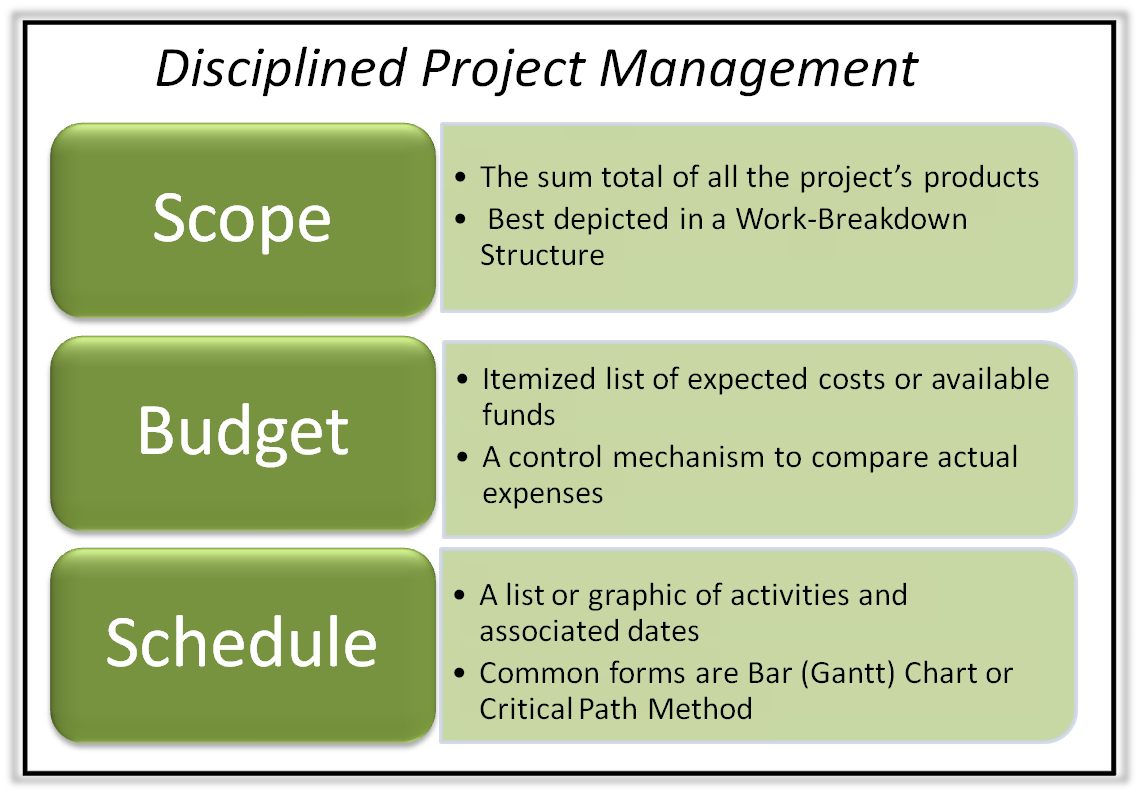
Using this system combined with our 10-step Solving Building Problems Method we guarantee to get our clients through the project as quickly and efficiently as possible. We do this through carefully thought out project planning, disciplined execution of the plan, and frequent review of the “return-on-investment” (ROI) versus cost.

View a sample of the presentation materials.

For more information on seminar dates or to have this presentation delivered to your company call us or email us at marketing@petefowler.com.


Portfolio Management of Construction Claims

SocialPost-PortfolioManagementofConstructionClaims-Photo1-20200518.jpg

For building industry players who are engaged in multiple construction claims (builders, general contractors, larger trade contractors, suppliers, material and product manufacturers, insurance companies, attorneys) each case can be considered a single battle in a larger war. Deciding how much to spend on each claim – each battle – is hard. How do these expensive decisions get evaluated? Although it should not be guesswork, it often is. PFCS has created a structured process for making these complicated, difficult, strategically important, return-on-investment (ROI) decisions.

PFCS will show you a method for managing your portfolio of construction claims, helping you develop a process for evaluating the costs of various scenarios in construction claim handling. At any point in any case, whether you’ve spent $1.00 or $3 million, you can ask and answer, or at least estimate, these key questions: How much has been spent so far? How much will it cost to get out now? What is a small fight worth? A big fight? What might trial costs look like, and is it worth the risk? As anyone familiar with litigation knows, each of these questions is likely to have best-likely-worst case answers.

The cheapest option is sometimes to get out of the case early, after only the most preliminary analysis. But claims run the gamut, so sometimes a long, expensive fight is the cheapest, best solution, especially if a good outcome will influence other cases.

Key System Components

  1. Claims Management Plan: Brief strategy and tactical document including written objective, executive summary, litigation budget, written agreements with attorney and other vendors, a timeline, and a Claims Plan Manager job description.

  2. Company Level Analysis: Worksheet that is a master list of all cases with best-likely-worst case scenario figures and a strategy summary for each. This includes a summary of all the individual Project Level Analysis worksheets.

  3. Project Level Analysis: Worksheets for each case including best-likely-worst case figures for Attorneys, Experts, Other and Settlement/Judgment costs at various levels of litigation including immediate settlement, a small fight, a big fight and through trial. This includes a summary of the Vendor Scope-Budget Matrix worksheets, plus a settlement hypothesis.

  4. Vendor Scope-Budget Matrix: This is an individual budget from each vendor on each project broken down to conform with the Project Level and Company Level Analysis worksheets.

  5. Meeting Agenda / Minutes: Structure for preparing for, reviewing and updating the analysis periodically.

PFCS will soon host a conversation about portfolio management where your experience, concerns and general feedback will be welcomed. Stay tuned.

If you would like a sample proposal with supporting documents call us or email Pete Fowler at pf@petefowler.com.


Article of the Week: Warren Buffett's Biennial Letter

WARREN-BUFFETT'S-BIENNIAL-LETTER.jpg

Warren Buffett is one of the richest and most famous people to have ever lived and he made the fortune himself. Buffett leads Berkshire Hathaway, a holding company that owns 76 businesses (See's Candies, Geico Insurance, Fruit of the Loom, NetJets, Pampered Chef, Johns Manville, etc.), employs more than 250,000 people and is always near the top of any Most Admired Companies list.

This simple 2-page memo dated 7/26/2010 from Buffett to the managers of the 76 businesses includes the following points that I though were interesting, considering the scope of his operations and that these are the points he sees as most critical to communicate to his organization:

  • "... to reemphasize Berkshire’s top priority... that all of us continue to zealously guard Berkshire’s reputation. We can’t be perfect but we can try to be... We can afford to lose money – even a lot of money. But we can’t afford to lose reputation – even a shred of reputation. We must continue to measure every act against not only what is legal but also what we would be happy to have written about on the front page of a national newspaper..."

  • "... your associates will say 'Everybody else is doing it.' This rationale is almost always a bad one if it is the main justification for a business action. It is totally unacceptable when evaluating a moral decision."

  • "There’s plenty of money to be made in the center of the court. If it’s questionable whether some action is close to the line, just assume it is outside and forget it."

  • "... let me know promptly if there’s any significant bad news. I can handle bad news but I don’t like to deal with it after it has festered for awhile."

  • "I need your help in respect to the question of succession. I’m not looking for any of you to retire and I hope you all live to 100. (In Charlie’s case, 110.) But just in case you don’t, please send me a letter giving your recommendation as who should take over tomorrow if you should become incapacitated overnight... Please summarize the strengths and weaknesses of your primary candidate as well as any possible alternates you may wish to include."


Expert Performance and Deliberate Practice

I have read numerous books and articles on the subject of teaching and learning. There are a number of books out now, notably a best seller by Malcolm Gladwell called Outliers, whose subject is human performance (he wrote Blink and The Tipping Point and all three were on best sellers lists at the same time). The research on expertise and human performance that many of these books draw upon relates to "Deliberate Practice." Attached are (1.) a short summary / update on Expert Performance and Deliberate Practice, and a 1993 scientific paper that comes up first when you Google "Deliberate Practice." There is an awesome Charlie Rose episode (12/19/08) on the subject that was half Malcolm Gladwell (https://charlierose.com/videos/24559) and half another guy name Geoff Colvin who wrote a book called "Talent Is Overrated" (https://charlierose.com/videos/12158).

Scientists have now conducted many studies and concluded that in-born talent is, at best, a VERY small component in excellent (expert) performance and all top performers in any field are those who engaged in a special kind of "effortful activities designed to optimize improvement" called Deliberate Practice for approximately 10,000 hours over the course of 10 years. The scientists and these books argue that it is this Deliberate Practice which separates the best performers from the rest, not in-born gifts. They emphasize that years-of-service is not a differentiator in excellent performance, so lots of experience is not enough to make a great performer (i.e. expert). Deliberate Practice ("activities designed, typically by a teacher, for the sole purpose of effectively improving specific aspects of an individual's performance") appears to simply involve a disciplined cycling endlessly through (1.) performance, (2.) analysis of the performance, and (3.) modification of performance with the explicit intention of improving. Important note: marathon practice sessions don’t help. Ideal session durations are often an hour or less.

Why do I care? I am trying to continuously improve my performance on several fronts: Business Executive, Manager (person-to-person), Father, Athlete, Musician, Teacher, in Personal Finance, etc... I think I can use this research to better design my "Deliberate Practice" to improve my performance in all these roles, as well as in design of teaching systems for my business.

Putting this to work: Maximize the time we spend teaching or learning by using Deliberate Practice. Use the PFCS Strategy for Training: (1.) Tell them what the task is and why it is important. (2.) Show them how to do the task, modeling exactly what the trainee will be doing. (3.) Practice: Allow the Trainee to perform the task with direct supervision and re-direction during practice. (4.) Do with Feedback: Have the Trainee perform the task independently, then receive feedback and re-direction immediately following the performance. (5.) Do with Follow-Up: Have the Trainee perform the task independently, then receive feedback and re-direction at some scheduled future date. (6.) Repeat as necessary. (7.) Mentor: Have the Trainee become a training mentor for others.

Additional Information:


PFCS' MAMA Meeting Management

PFCS MAMA Meeting Management.jpg

The Effective Executive

Excerpt from THE EFFECTIVE EXECUTIVE by Peter Drucker, Introduction, pages XXI and XXII

“Good follow-up is just as important as the meeting itself. The great master of follow up was Alfred Sloan, the most effective business executive I have ever known. Sloan… headed General Motors from the 1920s until the 1950s…” (During this time GM overtook the early leader Ford to become and remain the largest auto maker in the world until 2006).

“At the beginning of a formal meeting, Sloan announced the meeting’s purpose. He then listened. He never took notes and he rarely spoke except to clarify a confusing point. At the end he summed up, thanked the participants, and left. Then he immediately wrote a short memo addressed to one attendee of the meeting. In the note, he summarized the discussion and its conclusions and spelled out any work assignment decided upon in the meeting (including a decision to hold another meeting on the subject or to study an issue). He specified the deadline and the executive who was to be accountable for the assignment. He sent a copy of the memo to everyone who’d been present at the meeting. It was through these memos, each a small masterpiece - that Sloan made himself into an outstandingly effective executive.”

Also see: Effective meeting management by Peter Drucker.

What We Have Learned

Our business is project based and every project is unique and has a new set of challenges for each member of the team. While a comprehensive project management system is an important tool set, getting the details right from day-to-day is done person-to-person. We have a meeting management method that everyone in the company is taught. It makes meetings effective, offers a structure for delegating critical Action Steps, and has a built-in accountability mechanism. Our meeting agendas and minutes have 4 major components: Meeting information, Agenda, Minutes, and Action Steps (acronym M.A.M.A.). The heart of the system is to agree on SMART (Specific, Measurable, Assertive, Realistic, and Timed) Action Steps in Who-What-When format at the end of a meeting, and then paste those action steps into the agenda for the following meeting as Old Business to make sure that each has been completed.

Sample Meeting Agenda/Minutes

Meeting Information: Who, What, When, Where, and Why

Agenda

  1. Old / Recurring Business:

    1. A numbered list of all Action Steps from previous meetings

    2. You say: "Bob, you committed to finishing the estimate, is that done and sent?"

  2. New Business:

    1. A numbered, prioritized and organized list of all additional points that need to be discussed.

    2. The discussion can jump from item to item and out of order.

    3. Use these items as a check-list before the end of the meeting.

Minutes

  1. Make numbered notes of what was discussed and decided.

  2. These numbers don't necessarily need to correspond to the Agenda numbering.

Action Steps

  1. Each Action Step should be discrete.

  2. The SMARTer the better: Who, what, when, where, how, how much

  3. SMART: Specific. Measurable. Assertive. Realistic. Timed.

  4. These will be pasted into the next Agenda as Old Business to ensure completion.

  5. Make sure everyone knows what good performance looks like.

  6. If any Old Business item is not completed by the next meeting, then it is copied to Action Steps with an indication of the meeting when it originated. That way no incomplete Action Step gets left behind.

View MAMA Meeting Management Agenda

This post was updated 2/10/2016 and 4/1/2022